Smart Windows
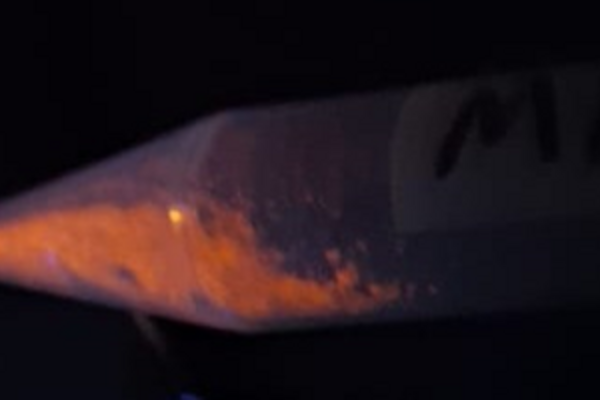
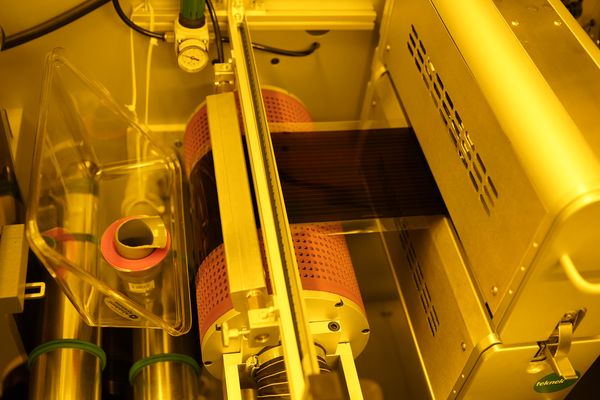
This research area contributes to the OPVplus project, which aims to develop window films that combine transparent organic solar cells with electrochromic components, in order to convert solar energy into electrical energy whilst also protecting indoor spaces from excessive heat gain caused by solar radiation. This combination also enables the ‘smart windows’ to operate without additional electrical connections. This significantly simplifies installation, particularly as the electrochromic films are to be controlled wirelessly via a mobile phone app.
Specifically, the paper concerns the work of Prof. Dr Heiß’s research group on the development of new electrochromic components that are combined with organic solar cells. In comparison to the films from AMPERIAL Technologies, the focus here is on improving the electrochromic properties as well as the stability of the components. To this end, alternative synthesis methods for the nanomaterials have been developed, which use less problematic starting materials, can be scaled up more easily, or exhibit better absorption spectra. In addition, an alternative electrochromic material was used, consisting of simple organic molecules (viologens), which allows for a significantly simpler structure of the electrochromic components. This leads to a significantly increased cycle stability and thus the service life of the electrochromic components. A side effect of this is that these alternative materials are significantly cheaper than nanocrystalline metal oxides.

Smart and switchable windows
Switchable glazing helps to significantly reduce the energy consumption of buildings used during the day, primarily by cutting costs for cooling, lighting and heating.
To this end, nanocrystal-based materials are being developed and manufactured, which can be used to create smart and switchable windows with three possible states.
- Industrial buildings
- Office buildings
- Residential buildings
Development and application of:
- electrochromic materials
- electrolytes
- transparent electrode materials
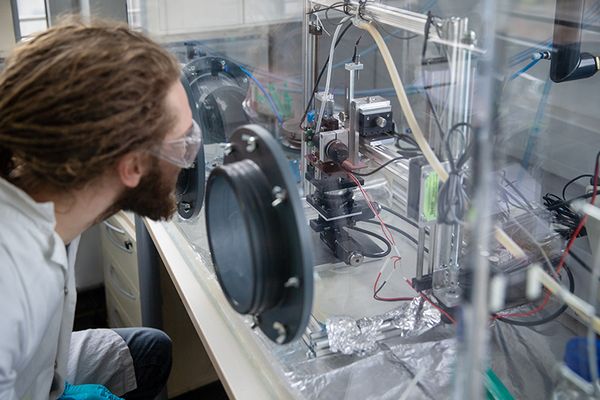
- Chemistry laboratory for chemical synthesis in liquids
Through the start-up ‘Amperial Technologies’, we offer:
- an assessment of the suitability of window fronts for fitting with electrochromic films
- as well as prototypes of electrochromic films
Research Projects
OPVplus
NextPackOPV
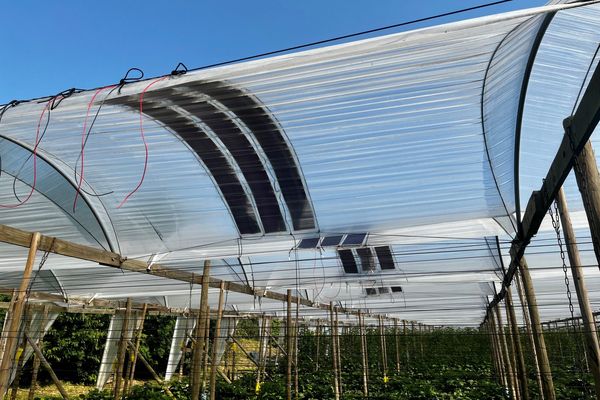
Solar TAP